The Energy of the Thrift Store
The Energy of the Thrift Store
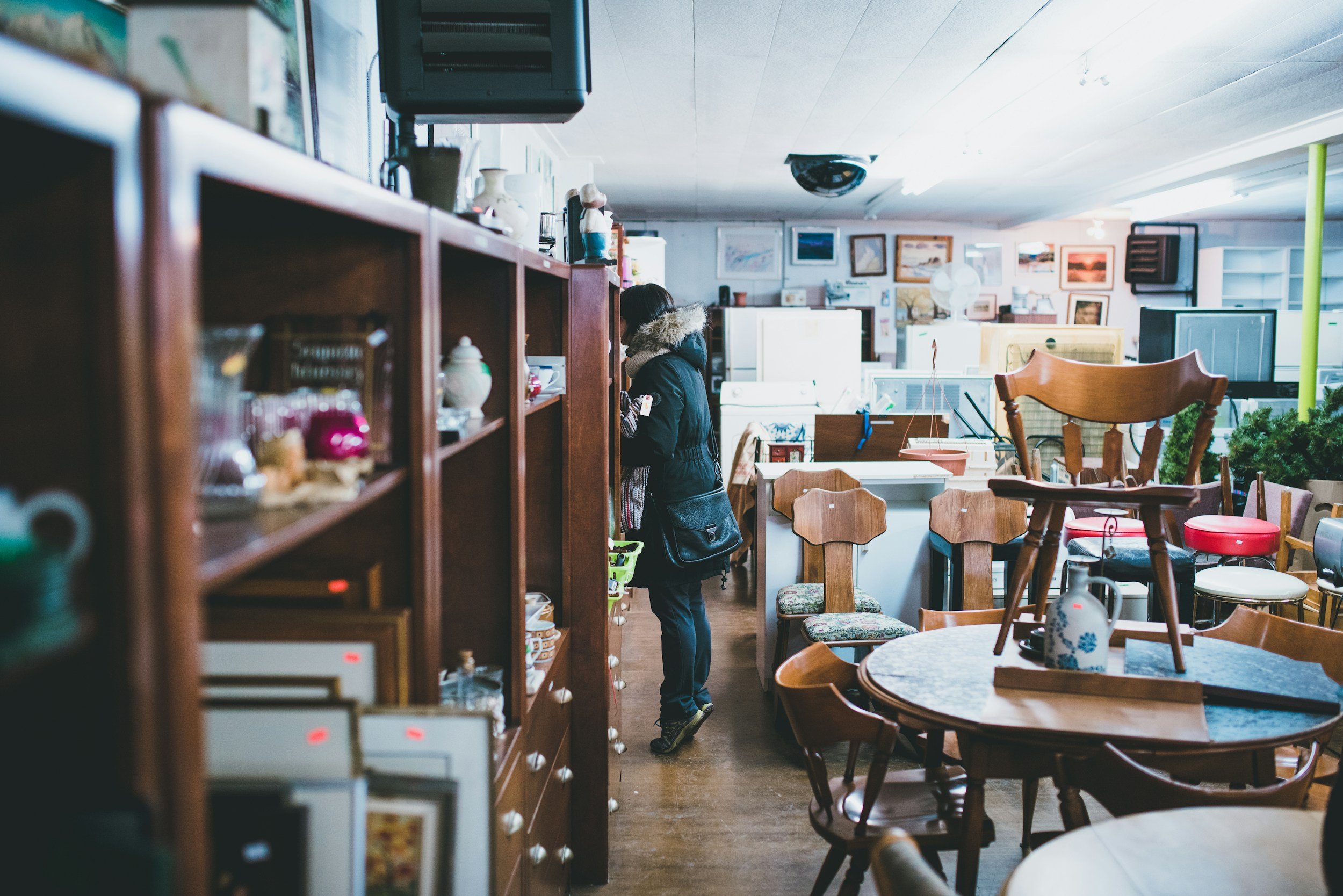
I was lying awake last night, thinking about thrift stores. Not the racks or the bargains or the thrill of a “good find,” but the energy. Because everything holds energy. Everything holds memory. According to Ho’oponopono, nothing is neutral. Objects remember. Fabric remembers. Walls remember. Lives leave fingerprints. And suddenly, I realized why something had always felt heavy—even when the label was beautiful.
Thrift store clothing is not just “pre-loved.” It is post-lived. It carries the residue of someone else’s chapters, someone else’s endings, someone else’s discards. Clothes that were once chosen—and then left behind. No matter how exquisite the brand, no matter how Chanel the cut, there is an energetic truth humming underneath: this was not kept. And when you live surrounded by things that were once abandoned, your nervous system absorbs that story. Leftover. Passed over. Good enough, but not worthy of staying. I lived there once—not just in my closet, but in my life.
Then there is fast fashion. Fast fashion is loud. Bright lights. Endless racks. Uniforms lined up like obedient soldiers. Fast fashion is high energy, but it is frantic. Factories buzzing. Machines pounding. Speed baked into every seam. It trains women to live the same way it’s made—quick, replaceable, always moving. Soccer practice. Meetings. Errands. Hurry. Rush. Next. The quality is low, but the vibration is relentless, and when you dress yourself in that frequency long enough, you begin to believe that life itself is meant to be consumed quickly. Wear it. Outgrow it. Discard it. Repeat. There is no pause here, no presence, no asking what fits you—only keep up.
And then there is couture. Couture is not a label, not a price point, not fabric alone. Couture is an energy shift so profound it makes women uncomfortable at first, because couture is quiet. You walk into the boutique and your body doesn’t know what to do with the stillness. There is no rush, no pressure, no one grabbing you by the elbows saying, “This looks great on everyone.” Instead, you are invited to sit.
Before a single design is sketched, the seamstress studies you—where the fabric pulls, where you’ve learned to apologize for your shape, where life has taught you to shrink. She asks questions no store has ever asked you before. What feels tight? What feels just right? Where do you hold yourself rigid? Where do you soften? This is not about clothing. This is about permission.
And this is where many women feel fear, because couture requires deservingness. It requires the belief that you are worth time, worth attention, worth something made slowly, specifically, for you. No hand-me-down energy. No factory frenzy. No borrowed identity. Just presence, listening, discovery. Couture doesn’t rush you out the door. It doesn’t ask you to become someone else. It reveals who you already are.
Maybe that’s why the whisper came at night. Because this isn’t really about clothes. It’s about the lives we’ve been wearing. Some of us have been living in thrift-store stories—other people’s expectations, inherited roles, emotional leftovers we never consciously chose. Some of us have been sprinting through fast-fashion lives—busy, loud, endlessly productive, but quietly exhausted. And some of us are standing at the doorway of couture, terrified, because to enter means finally sitting still long enough to be seen.
Couture asks a dangerous question: What if nothing is wrong with you—only the fit? That question changes everything. And once you hear it, you can’t unhear it.
