When Life Interrupts You, Pay Attention to What It Reveals
Sometimes it takes an interruption to notice what has been quietly bothering you all along. Not because the interruption caused the problem. Sometimes it simply stopped the noise long enough for you to see it.
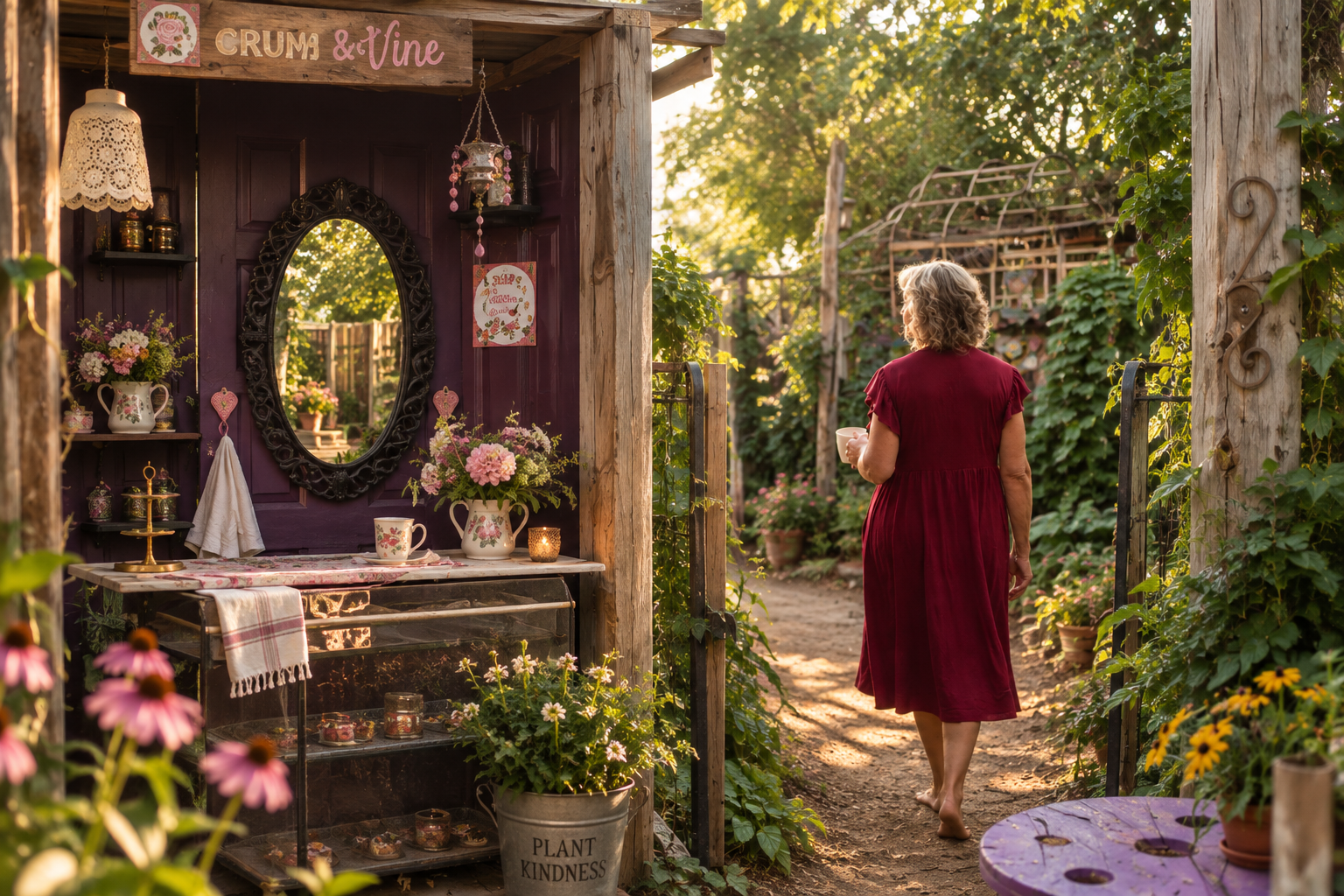
This happens so easily in midlife because we become very good at maintaining our lives. We maintain the house, the relationships, the work, the routines, the traditions, the appointments, the responsibilities, and all those things we've always done because, well, we've always done them. And when you're busy keeping everything moving, there isn't always much time to ask whether everything you're maintaining still belongs in the life you're living now.
Then something interrupts you. Someone gets sick. A caregiving responsibility changes your schedule. Work slows down. Your energy changes. A relationship shifts. You take an unexpected break. Or perhaps life simply refuses to cooperate with the perfectly reasonable plan you made for Tuesday.
For a little while, you're pulled out of your usual rhythm. And when you eventually look back at your life, something interesting can happen. You see it differently.
You may realize how desperately you miss your morning walk. You may discover you don't miss an obligation you thought was essential. You may find yourself longing to return to work you weren't even sure you still loved. Or you may return to something you've done for years and immediately feel that familiar tug at the seams.
That's worth noticing. But it doesn't mean you need to change everything.
In fact, this is exactly where I think we sometimes get midlife wrong. We feel restless, tired, or disconnected and assume we're supposed to reinvent ourselves. New career. New city. New identity. Move somewhere fabulous. Buy the linen dress. Open the little shop in Spain.
And perhaps you should.
I am certainly not going to be the woman who tells you that you must spend the rest of your life altering a dress you don't even want to wear anymore. Sometimes reinvention is exactly the right answer. But sometimes it isn't.
Sometimes your life doesn't need replacing. It needs a fitting.
That is the purpose of what I call The First Fitting. Before deciding what needs to change, you look at what is actually happening. You ask what still fits. What feels good when you return to it? What have you missed? What feels tighter than it did before? What are you maintaining because it matters to you, and what are you maintaining simply because you've become very good at maintaining it?
Those are very different things. And an interruption can make the distinction easier to see.
The important thing is not to confuse information with instruction.
Noticing that something doesn't fit doesn't mean you have to quit tomorrow. Realizing that you're exhausted doesn't automatically mean you're in the wrong career. Wanting more doesn't mean you're ungrateful for what you already have. And discovering that something you once loved no longer fits doesn't mean you were wrong to love it before.
It means you have new information. That's all.
Understanding comes before alteration.
You are allowed to stand in the fitting room for a while. Look in the mirror. Turn around. Pull at the fabric. Decide whether that uncomfortable spot is something temporary, something that can be altered, something that needs repairing, or something you're finally ready to take off.
There is tremendous freedom in not requiring yourself to know the answer immediately.
Midlife doesn't have to be one enormous reinvention. It can be a series of thoughtful fittings. Keep this. Alter that. Repair this. Release that.
And occasionally?
Buy the damn ticket to Spain.

The point isn't preservation for preservation's sake. The point is discernment.
Because sometimes an interruption doesn't destroy the life you've been building. Sometimes it gives you enough distance from that life to see it clearly.
And before you rush back into everything exactly as it was, pay attention.
You may have learned something about what still fits the woman you are becoming.
